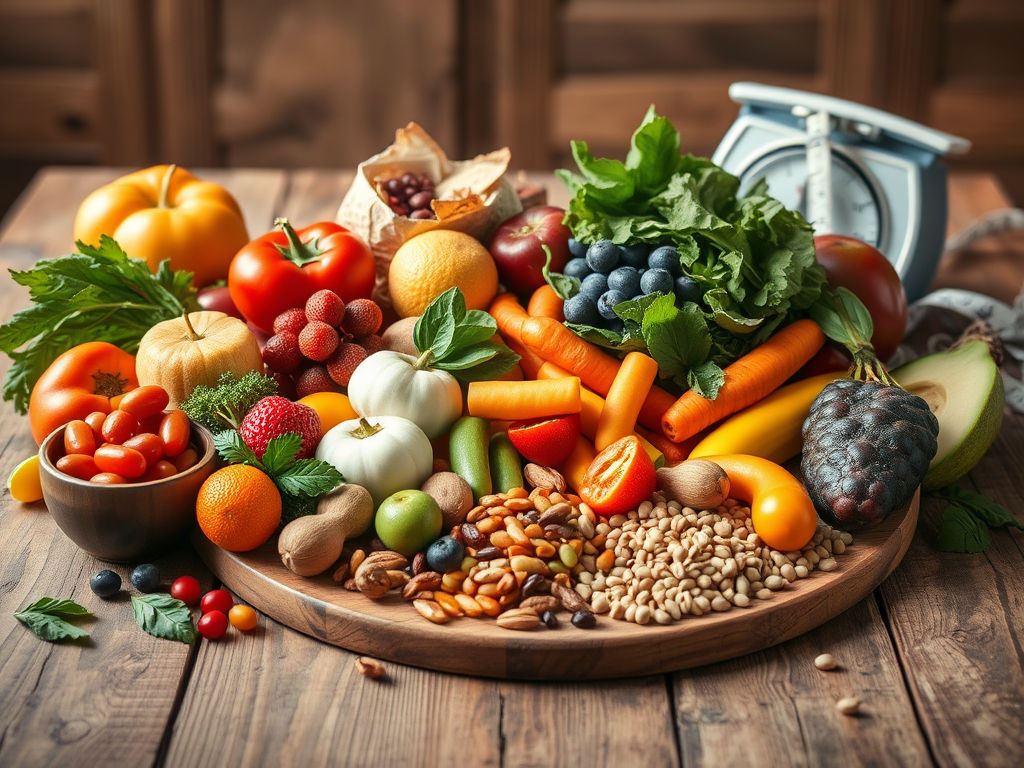
What is well being, really?
When most people think about well-being, the first things that come to mind are losing weight, burning calories, shedding carbs or hitting the gym. It isn’t about chasing numbers on a scale. It’s about how you feel every single day.
At its core, well-being means waking up refreshed and carrying steady energy levels throughout the day
What gets in the way of it?
If energy is the measure of well-being, then anything that drains your energy works against it. Chronic fatigue and low energy levels are not random. They’re signals from your body.
One of the biggest underlying causes? Inflammation.
The hidden role of inflammation
Inflammation is your body’s defense mechanism. It helps you heal from injuries or fight infections. But when it becomes chronic, it does the opposite. It quietly wears you down, every single day.
Think of it this way – Your body is constantly putting out small fires inside, and that takes a LOT of energy. Energy that you could have used to do other things!
Some of the most inflammatory foods include
- All purpose flour
- Sugar in all forms (Jaggery, Stevia, Guar Gum, Aspartame etc)
- Refined Oil (Can be replaced by cold pressed oil)
- Foods with gluten
- Processed foods (snacks and cereals – literally anything you find at a bakery)
- Red Meat
- Alcohol
The power of anti-inflammation
This is where diet comes in. Food is not just fuel. You are what you eat! And the wrong kind of food constantly triggers inflammation.
A vegan diet, on the other hand, is naturally anti-inflammatory because it is:
- Rich in antioxidants (from fruits, vegetables, legumes, nuts, seeds).
- High in fiber, which supports gut health and lowers inflammation.
- Low in saturated fat, which reduces strain on your heart and immune system.
- Packed with phytonutrients, which fight oxidative stress in your cells.
By removing the foods that cause inflammation and replacing them with foods that fight it, you don’t just prevent disease—you unlock higher energy levels.
The role of your gut
Your gut is more than just a digestive system – it’s often called the second brain. That’s because your gut houses trillions of bacteria that don’t just process food—they influence your mood, immune system, your cravings and ultimately energy levels.
Here’s how it works:
- Good bacteria thrive on fiber, fruits, vegetables, and whole foods. They help reduce inflammation, improve digestion, and send signals of satisfaction to your brain.
- Bad bacteria thrive on processed foods, all purpose flour, sugar, and unhealthy fats. The more you feed them, the stronger they grow. And here’s the surprising part: they can actually manipulate your cravings.
Avoiding unhealthy food, is often not just “lack of willpower”- it’s your gut bacteria demanding their food source.
By shifting your diet to plant-based, fiber-rich foods, you essentially starve the bad bacteria and feed the good ones. Over time, your cravings change. Instead of fighting your body, you’re aligned with it.
This shift doesn’t just support digestion – it reduces inflammation, boosts energy, and even stabilizes your mood.
Prebiotics – The unsung heroes
A popular way to maintain your gut, is to consume probiotics, which are live bacteria through foods like yogurt. They add beneficial microbes to your gut. Prebiotics on the other hand, are fiber-rich foods (fruits, vegetables, legumes, nuts, seeds) that feed the bacteria already living in your gut.
The big difference, is that prebiotics come without the baggage of inflammation. And when you feed your existing good bacteria with fiber, they rapidly multiply and strengthen your gut ecosystem.
Think of probiotics as “adding a few good guests to the party,” but prebiotics are “feeding the guests so they stay, be happy, and invite more friends.” The good news is that veggies have TONS of them through fiber!
But I love my proteins!
It’s not that a plant based diet doesn’t have protein—it absolutely does. The challenge is that they are less concentrated than animal proteins. Which means, yes—you need to be more mindful and deliberate about getting enough. Beans, lentils, chickpeas, tofu, tempeh, edamame, quinoa, nuts, and seeds are all rich in protein. There’s no doubt that this requires more planning, but it comes without the baggage of saturated fat, cholesterol, or inflammatory compounds.
And here’s the kicker: when you focus on variety—mixing legumes, grains, nuts, and seeds—you not only get enough protein, but also the full spectrum of amino acids your body needs to build and repair muscle.
A typical day on an anti-inflammatory diet
A good diet isn’t about cutting carbs/calories. It involves sticking to a schedule and eating nothing in between. Leaving your stomach empty in between meals, initiates a cycle of contractions that sweep through the gut, clearing out food particles and bacteria and it rebalances itself. This is key to good digestion and constant snacking/eating prevents that from happening. This is what a typical day looks like. I try to make all my meals fresh. Freshness + Nutrition + Consistency >>>> Taste 🙂
Pre-breakfast
- ABC smoothie (1 Apple, 1 Beet, 1 Carrot)
Breakfast
- 15 soaked almonds / soaked chia seeds
- 10-15 soaked raisins (Prebiotic)
- Ragi Idlis/Millet Dosas/Oatmeal with hemp & flax seeds (No cereals!)
- 1 cup black coffee
Supplements
- Vitamin D & B12 tablets: These are the ONLY vitamins that a plant based diet doesn’t provide. For what its worth, the Vitamin D in dairy is also added and doesn’t come naturally. You do not need any Iron/Calcium or any other supplements.
Pre-lunch snack
- Fruits (Apple & Orange/Plum/Pear etc)
Lunch
- Quinoa/Brown rice/Red rice + Masoor/Moong Dal
- Brown Chickpeas/White Chickpeas/Kidney Beans/Green Moong/Black eyed peas (1 cup of cooked)
- 1 cup of green tea (30 mins after meal)
Afternoon Snack
- Nuts & Seeds – Hazelnuts, Pumpkin Seeds, Sunflower Seeds, Goji Berries, Pecans, Walnuts
- 1 smoothie with oat/almond milk (Ones with no additives – just oats/almonds, salt and water)
- Kale, banana , dates, unprocessed hemp protein powder
- Banana, Strawberry, Blackberry, Raspberry, Blueberry, unprocessed pea protein powder
Early dinner (before 7:30 PM)
- Soup of 8-10 veggies
- Consuming a lot of veggies is hard! An easier way, is to steam and hand blend them and consume it as a soup. This is the most critical food in your diet. Provides tons of fiber, vitamins, minerals and has an anti-inflammatory effect. Rotate your veggies every day. Except Potatoes and corn, any of the veggies can be used. They’re probably the ones with the least nutrition and fill you up. Adding lots of greens helps. Typically, I use Spinach/Collard greens, Yellow & green Zucchini, Broccoli, Purple Carrots, Kohlrabis, Celery, Tomatoes (just for taste), Beets, Sweet radish. The beauty is that ALL veggies carry anti-inflammatory properties! Just consume a good quantity of them everyday! A veggie fried rice doesn’t really count 🙂
- Khichidi (Brown rice + Moong Dal)
- Tofu/Tempeh (2-3 times a week)
- Brown Chana/White Chana/Kidney Beans/Green Moong/Black eyed peas (1 cup of cooked)
- 1 cup of Tulsi/Fennel/Turmeric Ginger tea (30 mins after meal)
There is no need to restrict on the quantity on any of these meals. Eat as much as you can! Cut the inflammation, not calories!
Following this for a month will bring in noticeable effects in your energy levels, digestion and sleep.
Sleep
Without going into details, the high level goal is to stick to a schedule, no matter what! Sleeping and waking up at the same time promotes a good circadian rhythm, which is key for your body’s cellular regenerative actions. Your body likes a boring repetitive pattern, so it can plan around the things it has to do!
My personal transformation
When I shifted to a vegan, anti-inflammatory lifestyle, the change was not subtle – it has been life changing! Sick days are a thing of the past and my energy levels let me accomplish a lot more than what I used to in a day.
Prior to adopting this, I was 35lbs heavier. It often felt like I was always running on half a tank. By afternoon, I’d be exhausted. I thought I just needed to exercise or get better sleep. What I really needed was better energy to begin with.
I started working out about 4 years back and got into running. I was out of breath running half a mile and had to stop and rest, before I could walk back home. Reaching a pace of 9 mins/mile for ONE mile and running a 10K someday was my dream goal.
It has been 3.5 years since I turned Vegan and I’ve run 4 marathons, 32 half marathons and a total of 2000 miles by now. 9 mins/mile is my average pace in a marathon now. The reason I’m sharing this, is because if I can do it, ANYONE can!
Well-being isn’t about weight, looks, or calories—it’s about energy. And energy comes from fueling your body the way it was designed to be fueled. Nature didn’t mean for us to rely on other animals to get our nutrition. A plant based diet isn’t just good for you, its great for the environment too. The future is green!
Questions/Comments? Would love to hear! journeytowb@gmail.com
Disclaimer
This content is for informational purposes only and does not constitute medical advice, diagnosis, or treatment. Always consult with a qualified healthcare provider before making any changes to your diet, lifestyle, or health regimen.
 Journey to well being